Google Quietly Changed Gmail Forever - Why Millions May Need a New Email Address in 2026
Your Gmail address is no longer permanent. A long-awaited Google decision is reshaping digital identity, privacy and online security worldwide.
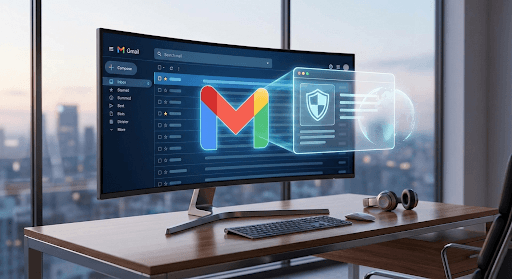
Google Makes a Silent Move That Changes Gmail Identity Rules
After nearly two decades of treating Gmail addresses as permanent digital identities, Google has made a shift that users across the United States, UK, Asia and beyond are only now beginning to understand. What was once considered impossible is now real. Gmail addresses are no longer locked forever, opening the door to corrections, rebranding and privacy resets that many users have waited years for.
This decision did not arrive with a major press event or loud announcement. Instead, it surfaced quietly through product updates and confirmations, quickly sparking global interest as users realized the implications for personal branding, professional credibility and online safety.
Why Gmail Addresses Suddenly Matter More Than Ever
An email address today is not just a communication tool. It is a digital passport. Gmail addresses are tied to banking alerts, cloud storage, government services, crypto exchanges, workplace systems and social platforms. For years, an old or embarrassing username followed users everywhere, often created during teenage years with no option to revise it.
Google's decision reflects a broader shift in how digital identity is treated in 2026. Governments in the United States and UK are tightening online verification standards, while platforms across China and Europe are linking email credibility to security scoring and account trust.
What Changed Inside Google and Why Now
The timing is not accidental. Google is under increasing pressure from regulators and competitors to give users more control over their digital footprint. Apple and Microsoft have already expanded identity management tools, and privacy-first platforms are gaining traction globally.
Internally, Google has been modernizing its account architecture to support advanced security, AI-driven personalization and fraud prevention. Allowing controlled Gmail address changes fits into this strategy, especially as cybercrime and identity theft continue to rise worldwide.
Who Benefits Most From This Gmail Shift
Professionals who built careers on outdated email names now have a chance to align their inbox with their public image. Entrepreneurs can unify branding across platforms. Users impacted by data breaches gain an additional layer of identity protection. Even everyday users benefit by separating legacy accounts from modern digital life.
This change is also particularly relevant for international users. As cross-border work increases between the United States, UK and Asia, a clean and credible email identity has become a trust signal in itself.
This article is for informational purposes only and does not constitute legal, financial or cybersecurity advice. Gmail features and availability may vary by region and account type.
Why This Is Being Called a Turning Point for the Internet
Email has always been the backbone of the internet, but rarely has its structure evolved. By loosening one of its oldest rules, Google is signaling that digital identity is no longer static. It is adaptable, correctable and user-centric.
Experts believe this move will push other platforms to follow, reshaping how usernames, logins and online reputations work over the next decade. In 2026, control over identity is becoming as valuable as control over data.
What Happens Next for Gmail Users Globally
More refinements are expected as Google gathers feedback and expands eligibility. Analysts anticipate tighter verification steps, limits to prevent abuse and deeper integration with Google Workspace and Android ecosystems.
What is clear is this. Gmail is no longer just an inbox. It is evolving into a managed identity layer for the modern internet, and this change marks the beginning of that transformation.