US CPI Report Signals a Turning Point - Why January Inflation Data Is Changing the Narrative
Inflation cooled more than expected in January, reshaping market and policy expectations. Here's what the latest CPI report really means for the US economy.
US CPI Report Sparks a New Inflation Trend in Early 2026
The latest Consumer Price Index report has become a major trend in the United States as fresh data shows inflation cooling more than expected. The January CPI release is shaping market expectations around interest rates, consumer spending, and the broader economic outlook.
What the January CPI Report Shows
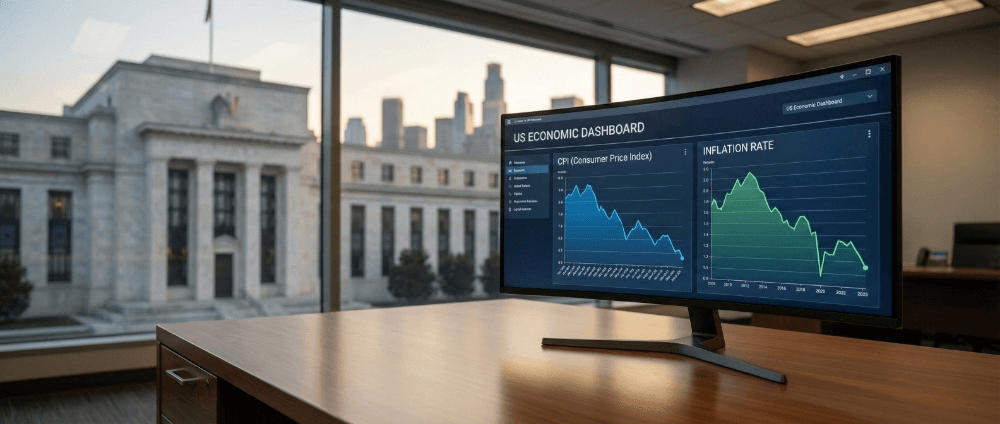
Inflation eased in January, with consumer prices rising about 2.4 percent compared to the same period last year. This marks a continued slowdown from previous months and suggests that price pressures across the economy are gradually stabilizing.
Inflation easing faster than expected changes the conversation around economic risk.
Why This CPI Data Matters Right Now
The CPI report plays a central role in shaping expectations for US monetary policy. Lower inflation reduces pressure on the Federal Reserve to keep interest rates high for longer. Markets closely track this data because it influences borrowing costs, investment decisions, and household confidence.
How Markets Are Reacting
Stocks, bonds, and risk assets responded cautiously but positively to the inflation data. Slower inflation supports the idea that the economy may achieve a soft landing, where growth continues without triggering renewed price spikes. This has helped stabilize market sentiment after weeks of volatility.
What Is Driving Inflation Lower
Several factors are contributing to easing inflation. Energy prices have moderated, supply chains are functioning more smoothly, and consumer demand is showing signs of normalization. Together, these trends are reducing upward pressure on prices across goods and services.
Cooling inflation suggests that past policy tightening is finally taking effect.
How This Affects Everyday Consumers
For households, slower inflation means the cost of living is rising at a more manageable pace. While prices remain higher than a few years ago, the rate of increase has slowed, offering some relief on essentials such as food, housing, and transportation.
What the CPI Trend Means for Interest Rates
With inflation easing, attention is shifting to when and how the Federal Reserve may adjust interest rates. Investors are watching upcoming data closely to see whether this trend continues or stalls. Future CPI reports will be critical in confirming whether inflation is truly under control.
The Bigger Picture for the US Economy
The new CPI trend points to a more balanced economic environment. Slowing inflation, steady employment, and cautious consumer spending suggest the economy is transitioning away from extreme conditions. However, policymakers remain alert to potential shocks that could reverse progress.
Inflation trends do not move in straight lines, but direction matters more than speed.
Final Takeaway
The January CPI report has reshaped expectations across markets and households alike. While inflation has not disappeared, the easing trend provides confidence that price pressures are no longer accelerating. The next few months will determine whether this shift becomes a lasting pattern.